Specialists who work with Orthostand every day, across Europe and Australia, on what changed for them and their clients.
Most elevating chairs raise the client seated, with the legs stretched out and the feet floating in mid-air — convenient, but clinically incomplete. The foot only reveals its true behaviour when it carries body weight: arch collapse, hindfoot valgus, forefoot splay, pressure distribution, tendon loading and gait deviations all become visible only when the client stands.
Seated examination shows the foot at rest. Standing examination shows the foot at work. For pedorthists, podiatrists, orthotists and prosthetists, that difference defines the diagnosis.
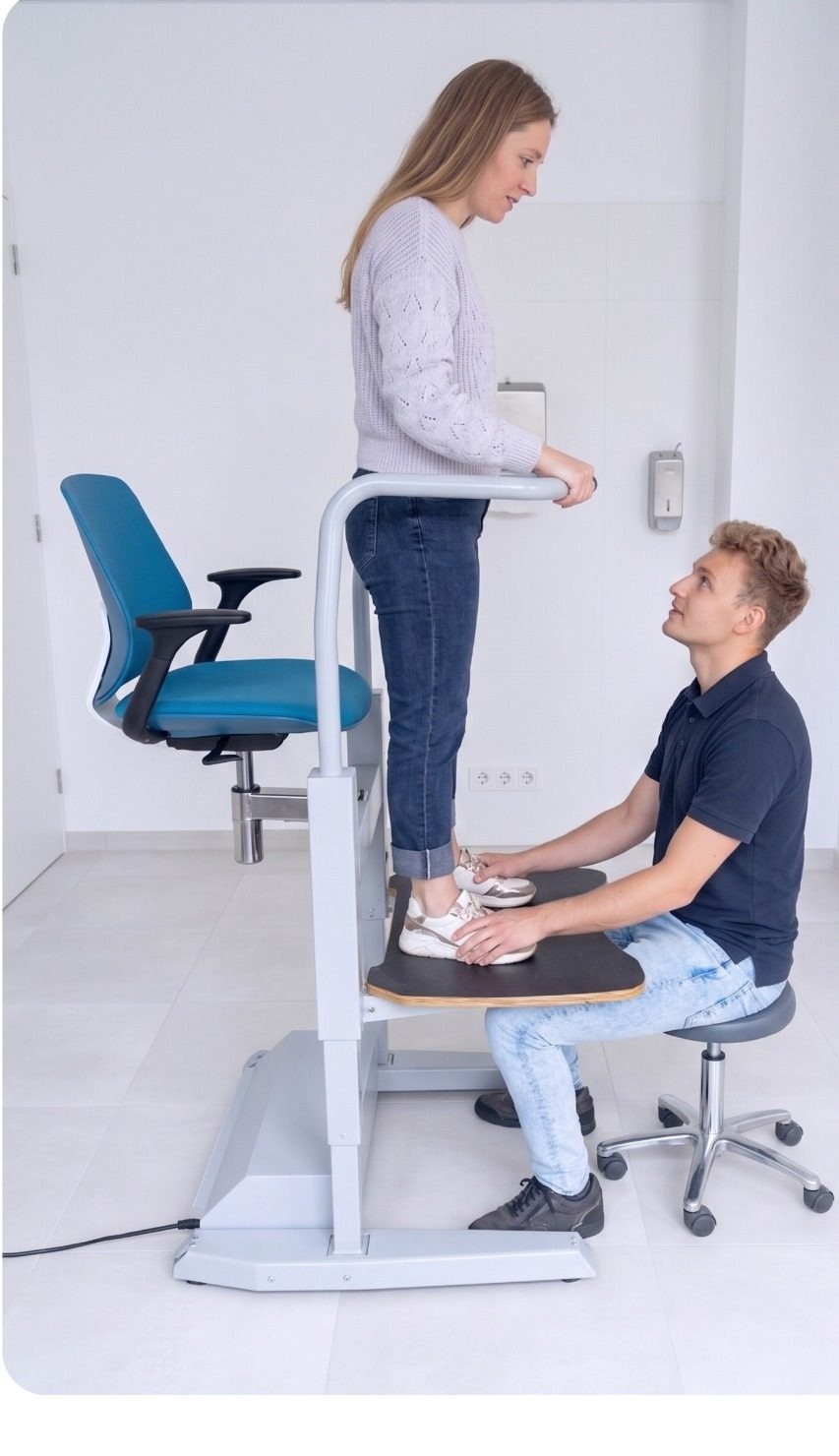
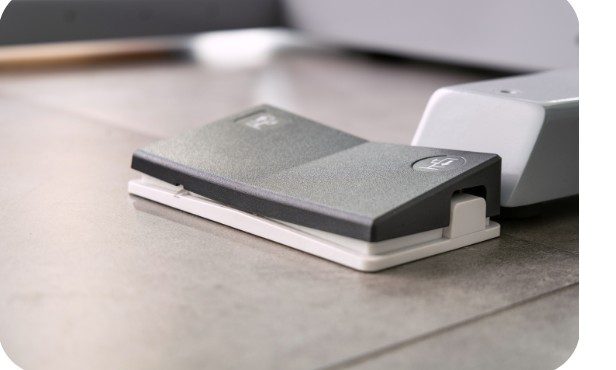
A press of the foot switch raises the platform in 15 seconds. While it rises, the consultation begins — complaints, progress, how things have been. By the time it reaches working height, the introduction is done.
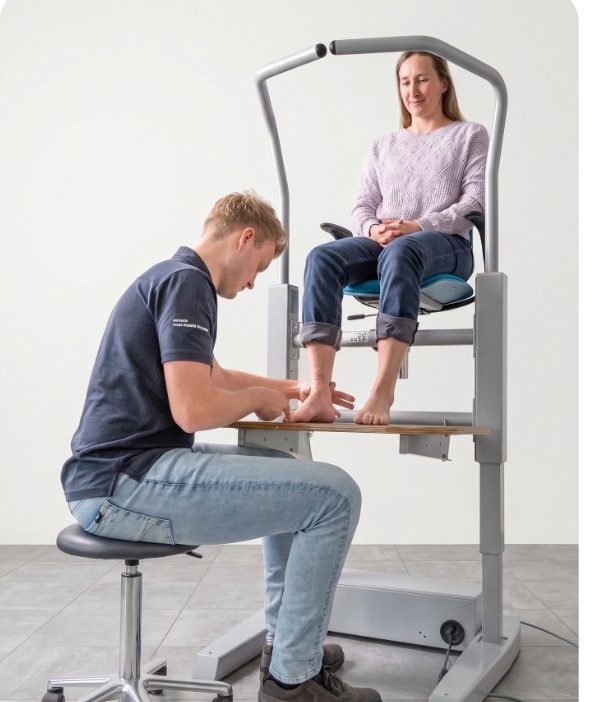
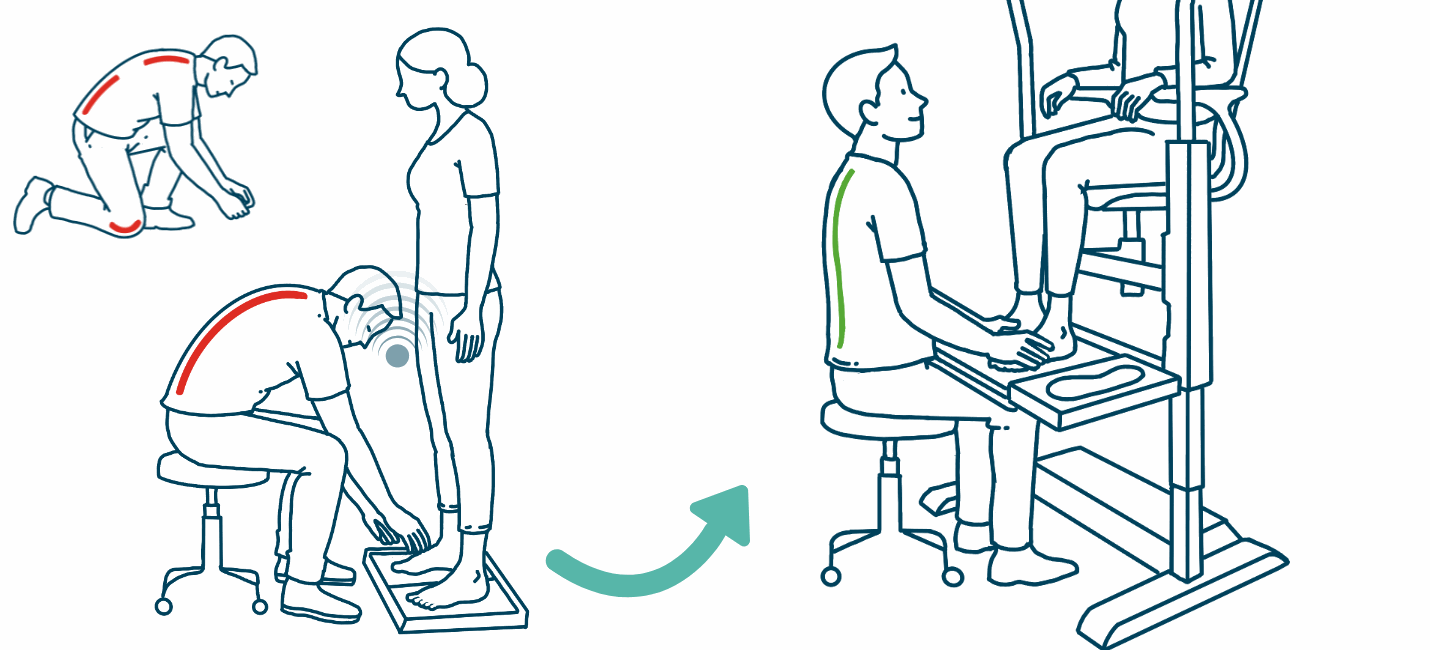
Seated comfortably with legs under the platform. No kneeling, no bending, no searching for the right posture.
Scanning, assessment and fitting performed with a neutral spine, arms supported on the platform, eyes at the correct distance from the treatment area. The client sits or stands — whichever the treatment requires.
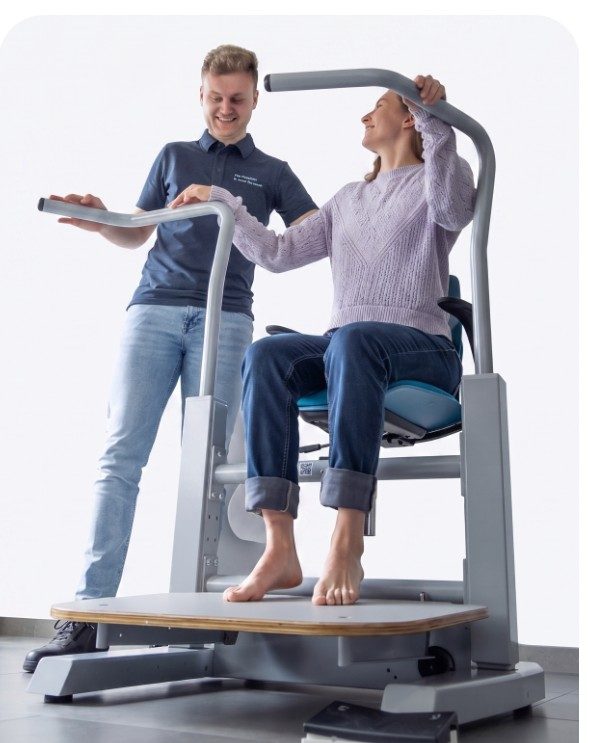
As the platform lowers, the specialist summarises findings, gives advice and arranges the next appointment. Those 15 seconds become part of the workflow, not a pause in it.
Orthostand moves easily on its wheels. Reposition it between rooms or clear the space when you need it, without effort.
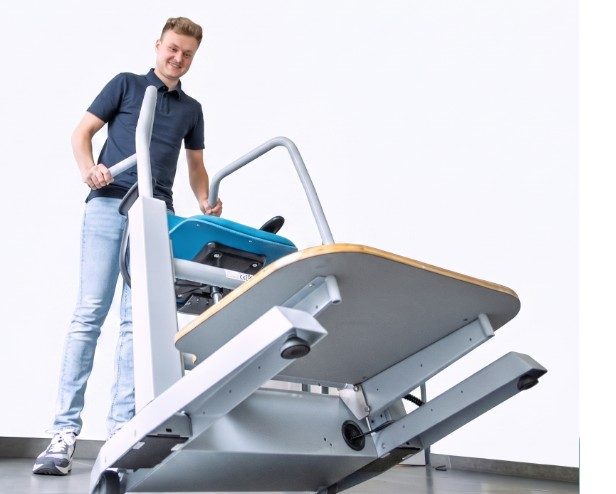
You're not just changing your setup. You're changing how your body experiences the entire workday.
No more floor acrobatics
Less physical fatigue at the end of every working day.
Fewer back, neck, shoulder and knee complaints over time.
More energy at the end of the day, for work and for life.
Better sight on your work and better decisions — leading to more job satisfaction.
A longer, healthier professional career.
The Orthostand M30 brings the client up to the practitioner, keeping you upright and removing the load on your knees entirely.
By resting your arms on the platform, you also eliminate the static load on your lower back, neck and shoulders.
The result is a longer and healthier career.
Clients use the stand supports to lower themselves onto the seat and rise again with full control. The adjustable seat provides a comfortable position. And because the specialist works upright instead of leaning forward, the client experiences more personal space during the treatment.
A curated database of ergonomic research and references for foot-care professionals. Access requires a free registration.
Register for accessAsk us to connect you with a specialist in your country who already works with Orthostand.
Request information